
Home » Blog

Blog

Your blog category

Qawaem financial statements
Blog

What Are Qawaem Financial Statements? A Simple Guide for Business Owners 

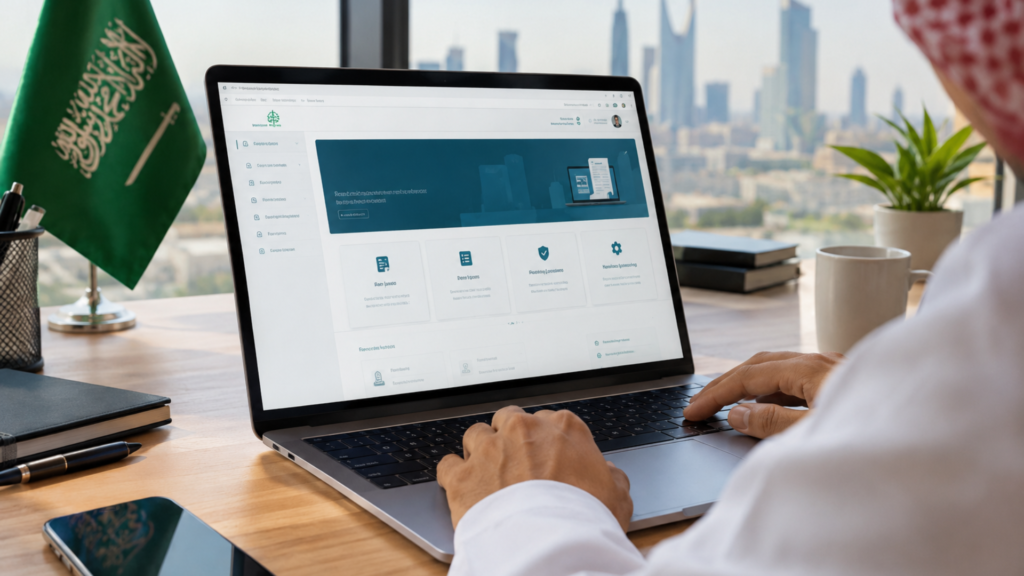
HOME LOCATION RIYADH JEDDAH DAMMAM ABOUT US SERVICES ACCOUNTING VAT AUDITING BUSINESS SETUP TRADE MARK INCOME TAX BOOKKEEPING & PAYROLL GRO PRO SERVICES NEWS PRIVACY POLICY CONTACT HOME LOCATION RIYADH JEDDAH DAMMAM ABOUT US SERVICES ACCOUNTING VAT AUDITING BUSINESS SETUP TRADE MARK INCOME TAX BOOKKEEPING & PAYROLL GRO PRO SERVICES NEWS PRIVACY POLICY CONTACT What Are Qawaem Financial Statements? A Simple Guide for Business Owners If you’re running a business in Saudi Arabia, you’ve probably noticed that the days of messy paperwork and filing physical folders at government offices are long gone. The Kingdom has moved fast toward a fully digital economy, and right at the center of this shift for business owners is a system called Qawaem. But let’s be real, accounting jargon can be a bit of a headache. If your consultant has been nudging you about your Qawaem financial statements, and you’re still scratching your head, this guide is for you. What Exactly is Qawaem? Think of Qawaem as a massive digital library managed by the Ministry of Commerce. It’s an electronic platform where all companies in Saudi Arabia are required to upload and deposit their audited financial data. Instead of sending PDFs that are hard to analyze, the system uses a specific digital format (XBRL). This helps the government keep a clear eye on the economy and ensures that the financial statements of companies across the country are transparent, standardized, and honest. For businesses operating locally, understanding Qawaem KSA is therefore an important part of staying on top of annual financial reporting requirements. Why You Can’t Ignore Your Qawaem Financial Statements Filing these isn’t just a “good idea”—it’s a legal must. If you want to keep your business running smoothly, you need to stay on top of this. Beyond just staying out of legal trouble, keeping your filings updated is essential for: Renewing your Commercial Registration (CR). Applying for a bank loan or a line of credit. Bidding on big government contracts. Building trust with potential investors who want to see a “clean” record. It is paramount not to confuse Qawaem with other Saudi government financial systems. For instance, when researching ZATCA vs Qawaem, remember that they serve different purposes and should not be treated as interchangeable compliance platforms. Managing the Qawaem Deadline The biggest trap business owners fall into is losing track of time. Generally, you are expected to upload your audited reports within six months of the end of your fiscal year. Missing the qawaem deadline isn’t just an oopsie; it can lead to some pretty stiff fines and might even freeze certain government services for your company. It is always a smart move to start the audit process early so you aren’t rushing to hit the “upload” button the night before it’s due. It is important to keep updated about the information of Qawaem extension deadline Saudi Arabia Ministry of Commerce 2026, on the latest official Ministry of Commerce announcements. Checking Your Qawaem Financial Statements Status Once the filing is done, your job isn’t quite over. You should periodically log into the Qawaem platform to check your qawaem financial statements status. The portal will tell you if your submission was accepted, if it’s still being processed, or if there’s a red flag that needs fixing. Knowing your status helps you sleep better at night, knowing your company is in full compliance with the Ministry’s rules. Business owners can also check Qawaem status after submission to check whether the report has been initiated into next stages that no correction or additional action is pending. Why You Might Need Accounting Services in Saudi Arabia Let’s be honest: most business owners want to spend their time growing their brand, not worrying about XBRL tagging or SOCPA accounting standards. The technical requirements for these filings are very specific. This is why many successful founders lean on professional accounting services in Saudi Arabia. A local expert doesn’t just help with the math; they make sure your data is formatted exactly how the qawaem system expects it. It saves you the back-and-forth of rejected filings and ensures that your records are handled by someone who understands the local laws inside and out. Who Needs to Submit Qawaem Financial Statements? Companies which are registered in Saudi Arabia who are obligated to keep books and produce audited financials under the companies of Law and Ministry of Commerce rules must deposit them on the platform. Which means joint-stock companies, limited liability companies, branches of foreign companies, and any business that holds a commercial registration which fulfills the requirements for a mandatory audit. Sole proprietorship and micro enterprises that come under simplified regimes recurrently gets lighter treatment, however the standard position is clear; If you have a commercial registration and you are running a business, the Ministry expects the data. Neglecting these rules because you believe your business is micro or you are sorting accounts is how your  business ends up getting blocked CR renewals, blocked services and worst case scenarios; fines. Qawaem saudi arabia is not an needless theater for bigger entities, it is the digital choke point for every business that operate here. Who Prepares Qawaem Financial Statements? Your management is usually tasked with the responsibility of handling your Qawaem financial statements. The actual preparation and XBRL tagging for Qawaem filing is virtually fulfilled effectively by a licensed auditor or a specialized professional accounting company that can comprehend the SOCPA standards and Ministry’s technical schemes. In-house bookkeepers who never dealt with XBRL will risk getting the file rejected. External auditors who have signed the financial audits are the safest and the cleanest route because they already own the audit opinion and can map the statements into the required digital format without another round of excuses. It is necessary to keep in mind that when your accountant shrugs when hearing about Qawaem, it is time to replace them. The system is not concerned about good intentions, what it needs it is a structured set of data. This is the sole reason why

Business License in Saudi Arabia
Blog

Types of Business Licenses in Saudi Arabia: Which One Do You Need?

Types of Business Licenses in Saudi Arabia: Which One Does Your Business Need? Starting a business in Saudi Arabia is an exciting opportunity, with new investor-friendly policies and reforms making it easier and profitable. However, before launching a business and starting its operations, one must be aware of the legal compliances and licenses. One of the most important steps in this is obtaining the right business license in Saudi Arabia. There are different types of business licenses and permits. Entrepreneurs must obtain the right one depending on the nature of their business activities, industry, and legal structure. Choosing the right business license in Saudi Arabia A business license in Saudi Arabia is an official government permit required to legally operate a company. It is mandatory for every business operating in Saudi Arabia to have a license that matches its commercial activities. For foreign investors, it typically starts with an investment permit, followed by a Commercial Registration (CR). Applying for the wrong business license can lead to unnecessary delays and compliance issues. A Saudi Arabia business license ensures legal compliance of your company and allows you to obtain necessary government approvals, open corporate bank accounts, hire employees, and expand your operations. Types of business licenses in Saudi Arabia There are different types of business licenses offered by Saudi Arabia, based on the type of activity of the business. Understanding these types of business licenses will help you apply for the right one and avoid complications. Here are the primary types of licenses. Commercial license / Trading license:A commercial license Saudi Arabia is one of the most common business licenses. This is issued to companies that work in retail, wholesale, import, export, and general commercial activities like trading, retail businesses, e-commerce agencies, distribution businesses, etc. Under this license, you can legally conduct buying and selling with the Kingdom. Industrial license:An industrial license in Saudi Arabia is designed for businesses involved in manufacturing, processing, packaging of goods. Companies like food processing units, industrial factories, production workshops, etc. come under this category. According to the nature of the company, additional approvals may be required before launching the operations. Professional license:Professional licenses cover businesses that provide specialised expertise or consultancy in certain fields rather than selling goods or physical products. It is designed for businesses offering knowledge-based services. IT service providers, accounting firms, engineering consultancies, marketing agencies, legal consultants, etc. need professional license to operate. Service license: A service license is applicable to business setup in Saudi Arabia that work on customer-focused services like educational institutions, hospitality management, logistics providers, maintenance companies, health care services, and more. The process of licensing depends on the designated authorities handling the activity. Agricultural & real estate licenses: This business license is designed for companies who handle farming, livestock, property development, and real estate brokerage. This can include activities like poultry, dairy, aquaculture, and agro-processing. Mandatory types of business licenses and permits Apart from the primary business license, there are other permit requirements for a company before the operations can begin. Some types of business licenses and permits include: Municipal approvals Environmental permits Civil defence approvals Health and safety certifications Industry-specific regulatory approvals Commercial activity license Saudi Arabia While registering your business in Saudi Arabia, it is essential to choose the appropriate commercial activity license Saudi Arabia. While applying for the business license, you must specify the type of activities that your business intends to do. This determines the type of license, other approvals required, and industry regulations. Applying within the right commercial activity can ensure a smooth licensing process and business expansion. How to choose the Saudi Arabia business license Determining which business license in Saudi Arabia your business needs must be based on certain factors. Nature of business: Type of activities involved in the business operation Business structure: The legal structure and chain of functioning Investment objectives: Long-term goals and expansion objectives Regulatory requirements: Requirements of additional approvals If you are confused about which license suits your business, it is better to consider professional guidance before business registration. This can also help in avoiding common mistakes like incomplete documentation and missing additional regulatory approvals. Conclusion: Choosing the right business license in Saudi Arabia is one of the most important steps before setting up a company and beginning its operations. Each type of license specified above serves a different area of business. Understanding business license in Saudi Arabia and choosing the right category that aligns with your business is necessary for legal compliance and smooth functioning. Seek out the assistance of professional agencies like Accurate Accounting for a smooth business license application. Contact us to know more. Featured News View this post on Instagram A post shared by Noushad Mohammed (@noushad.accurate) Types of Business Licenses in Saudi Arabia: Which One Do You Need? Statutory Auditing in Saudi Arabia: Compliance Made Easy with Accurate Accounting Strengthening the Role of Internal Auditing in Government Entities: Auditing Services In Saudi Arabia Got Questions? We’ve Got Answers Claim Your Free Consultation Whatsapp Instagram Facebook-f Can one company have multiple business activities? Yes. In that case, businesses may register multiple approved activities under their commercial registration. Do all businesses require additional permits? Not always. Some industries may need additional permits, while a primary business license is enough for others. This depends on the nature of the business. Can foreign investors apply for business licenses in Saudi Arabia? Yes. Foreign investors can obtain business licenses in Saudi Arabia subject to investment regulations, licensing requirements, and other approvals. Which is the most common business license in Saudi Arabia? A Commercial license is the most common business license in Saudi Arabia, which involves trading, retail, wholesale, import, and export activities.

Statutory Auditing in Saudi Arabia Compliance Made Easy with Accurate Accounting
Blog

Statutory Auditing in Saudi Arabia: Compliance Made Easy with Accurate Accounting

HOME LOCATION RIYADH JEDDAH DAMMAM ABOUT US SERVICES ACCOUNTING VAT AUDITING BUSINESS SETUP TRADE MARK INCOME TAX BOOKKEEPING & PAYROLL GRO PRO SERVICES NEWS PRIVACY POLICY CONTACT HOME LOCATION RIYADH JEDDAH DAMMAM ABOUT US SERVICES ACCOUNTING VAT AUDITING BUSINESS SETUP TRADE MARK INCOME TAX BOOKKEEPING & PAYROLL GRO PRO SERVICES NEWS PRIVACY POLICY CONTACT Statutory Auditing in Saudi Arabia Compliance Made Easy with Accurate Accounting In Saudi Arabia, businesses are required to conduct statutory audits in order to track and assess their performance. A statutory audit is an audit that is mandated by law to assess the financial records and situation of the firm.  A statutory audit is typically carried out for the general public. In order to provide a fair and impartial assessment of a company’s financial situation, statutory audit firms examine and keep an eye on the company’s financial records and accounting procedures.  While guaranteeing compliance with legal requirements, hiring accounting and auditing services in Saudi Arabia can reduce the workload for internal accounting teams. Businesses must submit their financial statements to ZATCA and the Ministry of Commerce on time. The General Authority of Zakat and Tax (ZATCA) requires submission within 120 days after the end of the financial year. In Saudi Arabia, companies can adopt either the Gregorian (calendar) year or the Hijri year as their fiscal year. However, most businesses follow the calendar year, meaning their fiscal year ends on December 31. Consequently, they must submit their audited financial statements by April 30. Failure to do so results in a SAR 20,000 fine from ZATCA. Additionally, audited financial statements must be submitted to the Ministry of Commerce via the Qawaem portal by June 30. Non-compliance with this requirement may result in further penalties from the Ministry of Commerce. Legal Structure and Supervision of Compliance The legal framework in which Saudi Arabian audit firms operate is regulated by a number of laws and rules. The Companies Law, which was most recently amended in 2016, specifies basic standards for financial reporting and corporate governance. Financial institutions are also required to follow the Banking Control Law’s rules for auditing and accounting procedures. Saudi Arabian auditing practices comply with International Financial Reporting Standards (IFRS), which are required by Regulation No. M12 of the Certified Public Accountants. The operations of audit firms are monitored by the Saudi Organization for Certified Public Accountants (SOCPA), which makes sure that ethical and professional standards are followed.  The purpose of statutory auditing services Statutory auditing services are intended to guarantee the accuracy and fair presentation of a government’s or company’s financial records. Statutory audits are conducted by an outside organization and are mandated by law. Financial transparency by formalizing the accuracy and fairness of financial statements, investor support by enhancing trust in a company and drawing in new investors, compliance by making sure a company complies with regulatory requirements and standards, fraud prevention by identifying irregularities and discouraging fraud, and decision-making by giving a clear and trustworthy picture of a company’s financial position. Statutory audits look into a business’s finances, transactions, and financial statements, including bank balances, accounting, and bookkeeping records. Regarding the validity and soundness of the company’s financial records, the statutory auditor offers an unbiased assessment. How to Perform Audits in Saudi Arabia To conduct an audit in Saudi Arabia, take the following actions: The Ministry of Commerce, which maintains the audit registration, must first grant you an audit license. For planning, review prior audits and scholarly works. Notify and include audit participants, then plan and coordinate the procedure. Complete the audit and create an audit checklist. Document and evaluate results, conduct research, and develop and carry out action plans. Authorized workers must digitally sign documents and submit financial reports using the Zakat, Tax, and Customs Authority (ZATCA) computerized network. Before submitting, make sure all the data is correct. Saudi Arabia adheres to the Saudi Organization for Certified Public Accountants’ (SOCPA) accounting standards.  Fulfilling Audit Requirements Saudi businesses are required to hold annual shareholder meetings, produce financial reports on schedule, and submit financial accounts for the previous year’s operations by March 31 of the current fiscal year. To successfully navigate Saudi Arabia’s audit standards, one must follow the law, work with certified audit firms, and be dedicated to open and honest financial reporting. Businesses may guarantee compliance and cultivate investor trust in the ever-changing Saudi market environment by utilizing the experience of audit professionals. Services Offered by Audit Firms Audit firms in Saudi Arabia offer a variety of services to meet client needs, including internal or operational audits that assess company performance and operational efficiency, external audits that analyze financial operations and ensure compliance with regulatory standards, and statutory audits conducted annually by independent auditors, which involve comprehensive reviews and reporting on financial statements.  Accurate, a business formation agency in Saudi Arabia, helps businesses with their statutory audits, ensuring thorough and compliant financial reviews. Our statutory auditing team consists of experienced professionals to effectively conduct the statutory auditing procedure. The team members remain acquainted with the latest changes in the statutory auditing arena to stay ahead in the loop. If you are in search of one of the best Statutory Audit support services in KSA, look no further and contact Accurate where you will find a team of dedicated consultants equipped with relevant experience who take pride in creating value for their clients.  Our statutory audit department conducts audits by adhering to various global accounting and auditing standards for conducting fair and accurate audits for various stakeholders like government, banks, financial institutions, the general public, and investors. Additionally, we specialize in assisting with company formation in Saudi Arabia, ensuring a smooth and compliant setup process. You can contact us to enquire more about the statutory audit services as well as our company formation expertise. Featured News Strengthening the Role of Internal Auditing in Government Entities: Auditing Services In Saudi Arabia A Comprehensive Guide to Trademark Registration in KSA LLC vs. Branch Office vs. Joint Venture: Choosing the Right Business Structure in Saudi

Strengthening the Role of Internal Auditing in Government Entities Auditing Services In Saudi Arabia
Blog

Strengthening the Role of Internal Auditing in Government Entities: Auditing Services In Saudi Arabia

HOME LOCATION RIYADH JEDDAH DAMMAM ABOUT US SERVICES ACCOUNTING VAT AUDITING BUSINESS SETUP TRADE MARK INCOME TAX BOOKKEEPING & PAYROLL GRO PRO SERVICES NEWS PRIVACY POLICY CONTACT HOME LOCATION RIYADH JEDDAH DAMMAM ABOUT US SERVICES ACCOUNTING VAT AUDITING BUSINESS SETUP TRADE MARK INCOME TAX BOOKKEEPING & PAYROLL GRO PRO SERVICES NEWS PRIVACY POLICY CONTACT Strengthening the Role of Internal Auditing in Government Entities : Auditing Services In Saudi Arabia The Kingdom of Saudi Arabia has had some major developments in its financial and regulatory frameworks over the last few years. One of those developments that is currently being discussed is the new AS’HMT initiative launched by the Zakat, Tax, and Customs Authority (ZATCA). In this article, we are going to discuss the stress points of this initiative and what it means for government entities, along with the role of internal auditing in ensuring compliance and good governance across the kingdom. AS’HMT Initiative: A New Era of Transformation The Zakat, Tax, and Customs Authority (ZATCA) launched the AS’HMT as an Initiative to reinforce the contribution of internal auditing across government entities. ZATCA’s core values and strategic vision are the foundation for this new initiative, which seeks to foster enhanced governance and assist in elevating audit quality through shared knowledge and the practice of best practices in this field.  Internal audit basically ensures regulatory compliance, assesses the risks, and improves governance. The AS’HMT initiative focuses on the improvement of internal auditing within the government bodies. Supporting ZATCA’s strategic goals, the establishment of an extremely qualified and sustainable audit force, achieving excellence in government operation, and supporting the digital shift of internal auditing operations are equally high on the agenda of the goals of the AS’HMT initiative. This is the beginning of a new age of efficiency and digital innovations in the kingdom. Ensuring Compliance: The Role of Auditing Services In Saudi Arabia Auditing services are instrumental in enforcing compliance by checking an organization’s compliance against legal, regulatory, and internal standards. Auditing services test internal controls, detect possible risks, and make suggestions for improvement to facilitate better compliance practices. Accurate Accountings: Your Auditing Partner in Saudi Arabia We offer an extensive list of services at Accurate Accountings, including accounting, company formation, and auditing. These services can be adapted to our clients’ needs and wants. Besides, the vast knowledge and expertise of our highly skilled team in the business environment in Saudi Arabia places us among the top auditing firms in the kingdom! Internal Auditing: We offer internal auditing services that can help your organization identify existing and potential risks, improve governance, and make sure you are maintaining compliance with regulatory requirements. External Auditing: Our external auditing services can give you an independent opinion on the financial statements of your organization, ensuring transparency and accountability. Compliance Auditing: We also offer compliance auditing services that help organizations adhere to regulatory requirements and industry standards. Why Choose Accurate Accountings for Auditing Services in Saudi Arabia? Our team has a deep understanding of the Saudi Arabian market and regulatory environment; this understanding allows our team of auditors to deliver high-quality auditing services that meet the needs of our clients. With us, you can expect the following:  Quality: It is our passion to deliver high-quality auditing services that meet the needs of our clients and surpass their expectations. Regulatory Compliance: Our team constantly keeps track of the latest legal requirements in the Kingdom of Saudi Arabia to guarantee that our clients are up to mark.  Expertise: With a team of seasoned auditors who have dealt with companies of various industries, we remain the top provider of expert auditing services in Saudi Arabia.  Independence: We maintain our independence and objectivity in auditing services, which allows us to give our clients an objective opinion.  Risk Management: Our audit services help identify, assess, and manage risks so that our clients can concentrate on improving and expanding their businesses. Customized Solutions: We customize our audit services according to the specific needs of every individual client to offer highly personalized solutions.  Quick Processes: Time is precious, and we understand this, which is why we ensure that our clients get their audit reports on time.  Professionalism: Our auditing team always maintains the highest standards of professionalism and integrity. The AS’HMT initiative launched by ZATCA highlights the importance of robust financial frameworks in government entities. Because of the continuing changes in the business environment, Saudi organizations need dependable partners to assist them in navigating all the intricacies of auditing, accounting, and taxation. Accurate Accountings offers auditing services, accounting services, tax services, and financial advisory services, among many other services. We have an experienced team of professionals dedicated to delivering quality services aligned with the particular needs of private sector organizations in Saudi Arabia. We are here to assist you with auditing, professional accounting consulting, and business formation. Contact us today to learn more about our services and how we can support your organization’s success. Why Are Internal Audit Services Important? Internal auditing is an important function in every organization, as it helps the company asses its internal controls, identify and mitigate risks, and strengthens overall governance. Internal audit services in Saudi Arabia can help evaluate a company’s financial processes, operational procedures, and compliance measures to ensure they are working effectively. A well-organized internal audit can help organizations: Detect financial and operational risks before they cause significant damages. Assess the effectiveness of internal controls and business operations. Strengthen regulatory compliance and corporate governance. Detect flaws, errors, and potential control weaknesses. Assist in better decision-making via independent assessment. Reinforce accountability, transparency, and risk management. As regulatory requirements and business practices continue to evolve in Saudi Arabia, maintaining a strong internal audit function can help organizations prepare for and manage potential risks while maintaining smooth business operations. Who Needs Internal Audit Services? Internal auditing is not limited to government entities or business corporations. Regardless of size, any organization can benefit from an independent assessment of their financial, operational, and compliance processes. Businesses that may particularly benefit include:

Trademark Registration in KSA
Blog

A Comprehensive Guide to Trademark Registration in KSA

HOME LOCATION RIYADH JEDDAH DAMMAM ABOUT US SERVICES ACCOUNTING VAT AUDITING BUSINESS SETUP TRADE MARK INCOME TAX BOOKKEEPING & PAYROLL GRO PRO SERVICES NEWS PRIVACY POLICY CONTACT HOME LOCATION RIYADH JEDDAH DAMMAM ABOUT US SERVICES ACCOUNTING VAT AUDITING BUSINESS SETUP TRADE MARK INCOME TAX BOOKKEEPING & PAYROLL GRO PRO SERVICES NEWS PRIVACY POLICY CONTACT A Comprehensive Guide to Trademark Registration in KSA Saudi Arabia is one of the biggest business hubs in the world today, and the expanding economy and pro-business policies of the country are fuelling this growth. If you are a business owner, you would know the significance of a brand identity. The brand you create for your business is a promise to your customers; it is a reflection of your values and a key aspect that differentiates you in the market. Your brand needs proper protection against theft, misuse, and infringement. That’s where trademark registration comes in! Trademark registration protects your brand and this is your guide to trademark registration and company formation in KSA! What is a trademark? Before we dive into the details of trademark and tradename registration in Saudi Arabia, first we need to understand what a trademark really is. A trademark is a distinctive sign, symbol, word, phrase, logo, or design that identifies your product or service and differentiates it from others. Trademarks can be registered for a lot of things, including business names, logos, product names, packaging, taglines, domain names, and even social media handles. Why register a trademark in KSA? Registering a trademark in Saudi Arabia offers you a wide range of benefits, and if you are a business owner planning to establish a brand of your own, trademark registration is an essential step in the process. Trademark registration allows you to display your brand name and logo on boards, signage, and other promotional materials. Registration gives you exclusive rights to use the trademark in connection with the goods or services you provide, which will distinguish you from your competitors. Registration also provides you with a legal basis for taking action against anyone who infringes on your trademark. Branding your services and products will help you distinguish and improve the brand value of your business among customers and investors. Trademark registration will deter your competitors from using similar symbols and marks, which will help you protect your market share. The trademark registration process in KSA Now that you know what a trademark is and how it can boost your business in KSA, let’s dive into the trademark registration process in Saudi Arabia, which involves several steps. Conduct a trademark search: To make sure your mark is distinct and doesn’t violate any already-existing ones, the first step in registering a trademark is to perform a comprehensive search of existing trademarks. Prepare and file the application: After completing the research process and confirming that your mark or name is unique, you can submit a trademark application to the Saudi Authority for Intellectual Property (SAIP) along with the necessary paperwork, including a power of attorney, a copy of your trade license (if you’re applying as a business), a copy of your passport or identification, the artwork for your brand name or logo, a list of your products and services, the priority document, etc., and fees. Consideration period: The consideration period is a 90-day-long period in which SAIP will review your application to make sure it meets the necessary requirements; a fee of 1000 SAR applies during this period. Your trademark will appear in the official gazette if it is approved. Publication period: After your trademark is published in the Gazette, third parties have a 60-day window to object. You will need to pay a fee of 500 SAR during this period. Registration and Renewal: If no objections are received during the publication period, your trademark will be registered. The registration fee is 5000 SAR and the validity period of a trademark is 10 years in KSA, so you need to renew it every 10 years. Registering trademark in KSA with Accurate Accountings Trademark registration in KSA is not an easy process and Failing to conduct a thorough search, failing to provide required documents, incorrect classification, and not renewing the registration on time are all common mistakes business owners make with this process. But Accurate Accountings can help! We are your one-stop solution for company formation in KSA and we will help you with the complete legal proceedings and uniqueness search of your tradename and trademark registration journey! Mistakes and confusion on your end while filing for trademark registration can lead to delay and rejection, but at Accurate Accountings, we ensure a fast and error-free registration process you can rely on. Who Can Register a Trademark in Saudi Arabia? Trademark protection in Saudi Arabia exists for both individuals and enterprises who wishes to protect their unique brand identity used or planned to be used for their goods or services. The Saudi Authority for Intellectual Property (SAIP) recognizes individuals and enterprises as the target group for its trademark registration service. A new trademark application can be submitted by applicants as an owner, concerned person, or owner of an institution or company, subject to the application mandates. This indicates that entrepreneurs, established companies, and other eligible business entities can safeguard their brand names, logos, symbols, and other qualifying marks. That said, owning a business or a trade name does not inevitably mean that it is associated trademark is protected. A trade name verifies the business itself while a trademark differentiates between its goods and services. For businesses planning brand registration in Saudi Arabia, it is therefore important to determine whether the name or visual identity needs trademark protection and to select the appropriate goods or services before submitting an application. Trademark Registration Requirements in KSA To prevent any unnecessary delays, objections, or requests for modification, applicants should have a proper understanding of the requirements before filing. The mark should be distinctive, available for registration, and appropriately classified according to the goods or services for which protection

LLC vs. Branch Office vs. Joint Venture Choosing the Right Business Structure in Saudi Arabia
Blog

LLC vs. Branch Office vs. Joint Venture: Choosing the Right Business Structure in Saudi Arabia

HOME LOCATION RIYADH JEDDAH DAMMAM ABOUT US SERVICES ACCOUNTING VAT AUDITING BUSINESS SETUP TRADE MARK INCOME TAX BOOKKEEPING & PAYROLL GRO PRO SERVICES NEWS PRIVACY POLICY CONTACT HOME LOCATION RIYADH JEDDAH DAMMAM ABOUT US SERVICES ACCOUNTING VAT AUDITING BUSINESS SETUP TRADE MARK INCOME TAX BOOKKEEPING & PAYROLL GRO PRO SERVICES NEWS PRIVACY POLICY CONTACT LLC vs. Branch Office vs. Joint Venture Choosing the Right Business Structure in Saudi Arabia Thinking about launching your business in Saudi Arabia’s booming market but unsure which business structure fits best? Yes, the right business setup in Saudi Arabia can definitely fuel your success. How? What difference does it make? You might be going through a lot of questions. We tell you the business structure you choose directly impacts ownership, liability, taxation, and workflow versatility.  This blog will explore the main types of business structures in Saudi Arabia. If you are a foreign investor, entrepreneur, or small-to-medium business planning market entry to KSA, here we will provide you with insights on which one suits you best. What Are the Main Types of Business Structures in Saudi Arabia? When it comes to Limited Liability Companies (LLCs), they are a popular choice for both local and foreign investors. If you aim to achieve sustained success in the market, LLCs are the right fit for you.  On the other hand, a branch office is ideal if a parent company abroad is looking to establish a direct presence in the Saudi market. The branch office will be wholly owned and controlled by the company. If yours is a strategic partnership between a local Saudi entity and a foreign investor, then a joint venture suits you. It is common in sectors like construction, oil & gas, and technology.  Limited Liability Company (LLC) Key Features An LLC business structure remains a separate legal entity, so the company can own assets, sue, and be sued independently. In an LLC, this structure offers limited personal risk, as owners are only responsible for the amount they invest. Here, the personal assets are protected.  Foreign ownership is fully allowed here, with a total of 1 to 50 shareholders, and requires SAR 500,000+ for foreign-owned LLCs. This model can be employed across various industries, including trading, services, and manufacturing, and requires a minimum investment, depending on the business type. Pros Strong Credibility: A reliable, widely recognized structure that builds trust with clients, banks, and partners.  Fully Operational Control: Owners completely control daily operations and strategic decisions.  Tax and ZATCA Registration: Eligible for tax registration and compliance in Saudi Arabia.  Cons Longer Setup Time: Forming an LLC is a more time-consuming process, involving multiple approvals and documentation.  Higher Initial Capital: A significant minimum capital is required to register an LLC. Annual Audit Requirements: It needs to maintain proper financial records and undergo yearly audits.  Branch Office Key Features A branch office business structure operates as an extension of a foreign company. A branch office cannot exist as its own company, which means the branch is fully owned and controlled by a foreign company. To set up a branch office, you must obtain a MISA licence. Here, the business scope is limited. You can only carry out the same activities as the parent company here in the Saudi branch. For this type of company, a physical office address in Saudi Arabia is required. According to the profits earned in the kingdom, this branch is taxable. Pros Lower Setup Cost: When compared to an LLC, a branch office requires less capital and fewer administrative steps for its formation.  Easier Access to Government Projects: For public contracts and tenders in Saudi Arabia, branch offices of international companies are preferred.  Direct Brand Presence: When it comes to recognition, a branch office helps, as it operates under the same name and branding as your parent company.  Cons Full Liability on Parent Company: The debts or obligations incurred by the branch in Saudi Arabia are the responsibility of the parent company abroad. Limited Flexibility in Operations: Here, in this case, there is no room for diversification; the branch office can only conduct the same activities as the parent company.  Restriction in Some Sectors: In some sectors, there is a limitation for branch office participation; they prefer a local entity instead. Joint Venture Key Features A joint venture is a business agreement between a Saudi company and a foreign or local partner. Here, both parties share investment, risks, profits, and management responsibilities. JVs can be formal or contract-based. That means it can either be just a legal contract between two parties or be registered as a new company. This business set is commonly employed in strategic sectors. When it comes to JV, it cannot own property, sign contracts, or sue/be sued on its own. It can only act through its partners.  Pros Easy Market Access: Through an established local partner, a joint venture allows foreign investors to enter the Saudi market smoothly.  Local Knowledge and Contracts: Your partner’s understanding of local regulations, culture, and business networks benefits your business. Easier Regulatory Approvals: When a trusted local partner is involved, the government approvals and licensing can be faster.  Cons Shared Decision-Making: Here, the key business matters need to be agreed upon by both parties, which in turn slows down the process.  Legal Complexity: Here, structuring the agreement and protecting interests legally can be complicated.  Risk of Conflicts: Exiting the partnership can be both legally and financially challenging, especially when disagreements arise.  How to Choose the Right Structure? Choosing the right structure depends on your goal. Ask yourself questions. Are you aiming for long-term operations, a market test, or a project-based entry? Decide for yourself whether you need complete control, shared risk, or flexibility. Firstly, consider ownership preferences. Do you want full ownership? Are you open to partnering with a local entity? Decide accordingly.  Next comes liability. An LLC offers limited liability, while a branch office exposes the parent company to full liability. An LLC requires higher capital and a longer setup time, while a

Top 5 Business Formation Companies in Saudi Arabia
Blog

Top 5 Business Formation Companies in Saudi Arabia

HOME LOCATION RIYADH JEDDAH DAMMAM ABOUT US SERVICES ACCOUNTING VAT AUDITING BUSINESS SETUP TRADE MARK INCOME TAX BOOKKEEPING & PAYROLL GRO PRO SERVICES NEWS PRIVACY POLICY CONTACT HOME LOCATION RIYADH JEDDAH DAMMAM ABOUT US SERVICES ACCOUNTING VAT AUDITING BUSINESS SETUP TRADE MARK INCOME TAX BOOKKEEPING & PAYROLL GRO PRO SERVICES NEWS PRIVACY POLICY CONTACT Top 5 Business Formation Companies in Saudi Arabia Forming a business in Saudi Arabia is a dream of many, as well as the virtues of perks the country offers to companies, its thriving economy, and its strategic location. The government is planning to develop its economy through various sectors beyond oil. Hence, Saudi authorities are promoting foreign investments. However, you need to face many challenges to form a business in an ambitious country. Don’t worry! There are a plethora of business formation agencies in the forward-looking country that will reduce your stress in the entrepreneurial journey. This blog will discuss the top five business formation agencies in Saudi Arabia. 1. Accurate Accountings Accurate Accountings is one of the leading company formations, accounting solutions, and VAT service consultancy in Saudi Arabia. With decades of experience, Accurate Accountings has served more than 1500 clients and has a 99% success rate, and Accurate Accountings provides a wide range of business setup services in Saudi Arabia. Accurate Accountings quality requirements include constant customer confidentiality, business establishment, and compliance with Saudi tax laws. Accurate Accountings makes sure to finish all of the services provided to customers on schedule while also delivering precise final goods.With offices across the UK, Bahrain, Oman, UAE, India, Morocco, Qatar, and Saudi Arabia, Accurate Accountings helps you grow your business wherever. Additionally, Accurate Accountings offers comprehensive support from the start of your company to its success. Accurate Accountings provides a range of services for your company’s everyday operations.The skilled staff at Accurate Accountings assists you in overcoming any obstacles head-on and collaborating with all relevant stakeholders, including the government, business community, employees, and clients, to create solutions that serve their interests. 2. Analytix Analytix has years of experience offering beneficial assistance to companies entering the Saudi market. Analytix’s clients receive important business services, such as bookkeeping and accounting, tax and auditing, GRO and PRO services, and more.With the help of a knowledgeable and accomplished staff, Analytix has grown to become one of Saudi Arabia’s top consulting businesses for international business settings. From incorporating your business to streamlining its day-to-day operations, Analytix offers diverse services, and the team of Analytix can meet challenges without compromising their quality of service or professional integrity. Analytix provides a wide range of services, from business incorporation to optimizing daily operations. Their staff can handle obstacles without sacrificing service quality or professional ethics. 3. Creation Business Consultants For international corporations, investors, and entrepreneurs looking to operate and grow their businesses in Saudi Arabia and the Gulf Cooperation Council (GCC), Creation Business Consultants offers solutions that will protect control and ownership. It might be difficult for newcomers to the GCC market to know which business setup alternatives are available and which structure is best for their purposes. When finished, your company will be extremely profitable, compliant, and under your control, giving you an advantage over your rivals. 4. Company Formation Saudi We at Company Formation Saudi aim to simplify the process of setting up your business in Riyadh. Giving you the resources you need to register your international business in Saudi Arabia and grow it over time. Because of this, you don’t have to worry about conducting in-depth market research to determine whether or not your firm will flourish. We offer unmatched business guidance that will give you a thorough understanding of what you can and cannot accomplish if you establish a business in Saudi Arabia. 5. Creative Zone Creative Zone is one of the most reputable and prominent business setup counselors in the Middle East, offering SMEs and prospective entrepreneurs invaluable assistance. Creative Zone extended its reach to Saudi Arabia following years of expertise in Qatar and the United Arab Emirates. We constantly work to get better and expand. We stay up to date with the constantly shifting business environment. Among these consultancies, Accurate Accountings is the most affordable and comfortable company formation consultancy in KSA and more than ten years of experience. Our experts have made things easier for you over the years. We manage Business set-up, Accounting, and Auditing, as well as Zakat, VAT, and E-invoice. Accurate Accountings Solutions is ready to serve you again for a long time. Why Saudi Arabia is One of the Best Places to Start a Business For Entrepreneurs and International investors, Saudi Arabia is exponentially becoming the most attractive destination. This is due to its strategic location linking Asia, Europe, and Africa hence transforming it into an ideal gateway for regional and global trade. Apart from its robust infrastructure, modern transportation network, and business-friendly regulations, the Kingdom of Saudi Arabia moves ahead with introducing new reforms that make it easier for foreign investors to launch and expand their business operations. At present, entrepreneurs can opt for diverse legal structures based on their investment goals while the licensing and registration procedure are substantially streamlined by the government. This, as a result, have accelerated the demand for reliable business setup services in Saudi Arabia, empowering investors navigate legal requirements, licensing, taxation, and regulatory compliance more efficiently. Comparison of Professional Business Setup Services Feature Professional Business Setup Consultants Handling the Process Independently Regulatory Compliance Professional guidance on Saudi regulations Increased risk of compliance errors Documentation Precise preparation and submission Time-consuming and vulnerable to mistakes Business Registration Faster processing through experience Longer approval timelines Licensing Support Assistance with selecting and obtaining licences Requires extensive research Ongoing Business Support Ongoing Business Support Limited support after registration Overall Efficiency Saves time and reduces operational risks More administrative burden Increasing Demand for Professional Business Setup Consultants Setting up a business involves several factors much more than obtaining commercial registration. It is mandatory that every entrepreneur must adhere to all licensing requirements,

Launching a Business in Saudi Arabia Here Are the Top 6 Cities to Consider
Blog

Launching a Business in Saudi Arabia? Here Are the Top 6 Cities to Consider

HOME LOCATION RIYADH JEDDAH DAMMAM ABOUT US SERVICES ACCOUNTING VAT AUDITING BUSINESS SETUP TRADE MARK INCOME TAX BOOKKEEPING & PAYROLL GRO PRO SERVICES NEWS PRIVACY POLICY CONTACT HOME LOCATION RIYADH JEDDAH DAMMAM ABOUT US SERVICES ACCOUNTING VAT AUDITING BUSINESS SETUP TRADE MARK INCOME TAX BOOKKEEPING & PAYROLL GRO PRO SERVICES NEWS PRIVACY POLICY CONTACT Launching a Business in Saudi Arabia? Here Are the Top 6 Cities to Consider As a business owner, what attracts you the most to a business setup in Saudi Arabia? Well, it is, of course, the highly rewarding, business-promoting government policies that make the Saudi market attractive. And Saudi Arabia is transforming itself into a leading business destination under Vision 2030. For local and international entrepreneurs, the strategic reforms in KSA are opening new doors for businesses and investment. However, choosing the right city matters. Why is it so? In this blog, let’s explore the possibilities of launching a business in Saudi Arabia and the top cities to consider. Why City Choice Matters The success of your business greatly depends upon your city choice. Let’s explore some key points of the Saudi market that matter for business setup. Market Access: Sales capacity is greatly connected to the specific city. When it considers customer bases and target demographics, each city offers different levels of access. Industry Hubs: When it comes to business formation in Saudi Arabia, each city specialises in specific business sectors, like how Jeddah specialises in logistics.  City-specific Regulations: From city to city, the licensing procedures for business, local regulations and business incentives may vary.   Skilled Professionals Access: A major criterion that affects the growth of business is, of course, the hiring of expert professionals. City by city, access to skilled professionals varies. Operations Cost: Based on the location, the building rent, utilities, and employee wages vary. This will directly influence the budget and profitability of the business. Proximity to transport facilities: Closeness to the transport facilities can help in expansion possibilities and streamline logistics.  City’s culture and client relations: The chosen city’s culture, lifestyle, and pace greatly affect the organisation’s culture and directly affect client relations and team satisfaction. Top Cities to Consider for Business Now, you might be clear on the importance of choosing a specific city that matches the context of a particular business. Let’s see how and in what ways important cities of Saudi Arabia help in company formation. Riyadh You might be thinking, why is Riyadh an ideal choice for forward-thinking entrepreneurs for company formation in KSA? The answer is quite simple. Riyadh, known for its economic reforms and diversification, is a top pick for business owners. The digital infrastructure and the government programmes for swift implementation have made Riyadh most suitable for technical, fintech, consulting, real estate, education and healthcare business setups in Saudi Arabia. With an existing demand for both public and private sectors, urban expansion in Riyadh aligns well with the national goal of economic growth and development. Also, the rising population of Riyadh and enhanced healthcare quality make Riyadh suited to health ventures.   Jeddah What makes Jeddah an established industrial zone that attracts countless manufacturing and distributing ventures in Saudi Arabia? Jeddah serves as the Kingdom’s main commercial hub with its vibrant port, international airport and proximity to Makkah. For those seeking to set up a business in trade and logistics, Jeddah is the perfect city with its connectivity and access to African and Middle Eastern markets. The growing religious and leisure tourism of Saudi Arabia makes Jeddah a suitable city for travel, hospitality and entertainment ventures. There are a lot of ongoing waterfront and urban projects going on in Jeddah that nurture real estate growth. Not just that, Jeddah is a growing market for media production, marketing and digital content businesses, assuring growth in creative and media fields.   Dammam Why is Dammam a perfect city for ventures targeting both local and Gulf markets? With a strong industrial base and multiple industrial zones, Dammam’s industrial strength blends well with regional connectivity, making it ideal for logistics, manufacturing and industrial services. More importantly, Dammam is located near Aramco and major oil fields, making it suitable for engineering, energy and support services. Dammam is close to Bahrain, highlighting the relevance of its access to the GCC market for strategic business functions. With the existence of several technical institutes, Dammam is home to that skilled workforce, making it ideal for specialised operations. The growing urban demand and rising population offer increased opportunities in healthcare, retail and education in Dammam. Moreover, Dammam is most suited to trade business because of its closeness to King Abdulaziz Port and the airport. Makkah What makes Makkah an ideal city for service-orientated and tourism-supportive businesses? The answer is straightforward. Because Makkah welcomes millions of pilgrims annually for Hajj and Umrah, making the city ideal for travel, hospitality and services. With the constant visitor flow, the demand for retail, food and medical care businesses thrives in Makkah. In addition, the accommodation facilities for worshippers are also in high demand with the ongoing need for furnished apartments, hotels and pilgrim housing solutions. For those business ventures interested in spiritual products marketing related to gifts, Islamic books and clothing, Makkah is the most suitable city to launch your business. Also, there is a great demand in Makkah for events, transport, mobility services and other multilingual support. Madinah Does your purpose-driven business align with pilgrims’ needs? Then, just like Makkah, Madinah is an ideal city for you for business formation. Madinah attracts millions of pilgrims, making it an ideal spiritual tourist hub in Saudi Arabia. The consistent visitor flow in Madinah raises the demand for food, retail, personnel and healthcare services. Also, the demand in business areas such as property management, furnished rentals and hotels is higher in Makkah. The calm business environment of Madinah makes the city suitable for service-orientated and family businesses. Makkah shines not just with its residential and hospitality growth but also with multilingual guides, tour operations and shuttle services. NEOM Are you

Zakat, VAT and Other Tax Requirements in Saudi Arabia
Blog

Zakat, VAT & Other Tax Requirements in Saudi Arabia

HOME LOCATION RIYADH JEDDAH DAMMAM ABOUT US SERVICES ACCOUNTING VAT AUDITING BUSINESS SETUP TRADE MARK INCOME TAX BOOKKEEPING & PAYROLL GRO PRO SERVICES NEWS PRIVACY POLICY CONTACT HOME LOCATION RIYADH JEDDAH DAMMAM ABOUT US SERVICES ACCOUNTING VAT AUDITING BUSINESS SETUP TRADE MARK INCOME TAX BOOKKEEPING & PAYROLL GRO PRO SERVICES NEWS PRIVACY POLICY CONTACT Zakat, VAT & Other Tax Requirements in Saudi Arabia Saudi Arabia is a vibrant country with an excellent business climate. Its thriving economy and strategic location make it an ideal destination for business formation. However, company formation in Saudi Arabia is not as easy as we think in the country. We all know that! In a forward-looking country like Saudi Arabia, you must face many challenges: Zakat, Value Added Tax (VAT), and other tax requirements to build your dream. This blog will help you easily handle your responsibilities. What is Zakat? Zakat is an obligation under Sharia and the ‘obligatory tithe’, equivalent to 2.5% of the owner’s wealth, which should be distributed to the needy. Zakat in Saudi Arabia is calculated on the company’s Zakat base at a rate of 2.5%. The principle is mainly applicable to Saudi nationals and citizens of the GCC. A Zakat payer is defined as a natural or legal person conducting activities subject to Zakat under the Regulations, which includes sole proprietorships, corporations, or individuals operating a business with a valid license from a competent authority. Those who obtain a certificate exempting them from Zakat are also recognized as Zakat payers. Additionally, residency requirements specified in Article (3) of the Regulation apply to these individuals. Conversely, anyone who does not meet the residency criteria is classified as a non-resident. The fiscal year for Zakat payers can be either Hijri or Gregorian, and it may vary in length and be applicable at the beginning or end of their activities. Understanding VAT VAT was first implemented in Saudi Arabia in January 2018 at a rate of 5%; however, on July 1, 2020, it was raised to 15%. Most products and services sold in Saudi Arabia are subject to VAT, an indirect tax. Value Added Tax (VAT) is a type of indirect tax that consumers in Saudi Arabia pay on a variety of goods and services. The VAT Law describes the VAT implementation outlined in the Unified VAT Agreement of the Cooperation Council for Arab States of the Gulf, within the framework of Saudi Arabia’s corporate and legislative laws. An indirect tax on the use or consumption of goods or services, value added tax (VAT) is imposed at every level of the supply chain, from the point at which the producer buys raw materials to the point at which the merchant sells the goods to the customer. VAT registrants will collect the VAT from their clients that is relevant to their taxable activity and submit the collected tax to the appropriate authorities. Anyone who engages in commercial activity, whether natural or legal, is liable for VAT and must register. The present rate of 15% for most goods and services is one of the significant features of VAT. Certain goods, known as “zero-rated supplies,” may be exempt from taxes, such as exports and particular foods.  Companies whose yearly deliveries are above SAR 375,000 are required to register for VAT. Smaller companies may choose to voluntarily register if their supplies fall below this limit. Other Tax Requirements Corporate Income Tax For investors outside of this Saudi kingdom, income tax becomes 20% of the net adjusted profits. However, income derived from oil and hydrocarbon production can be taxed up to as high as 85%. It all depends on the conditions and factors during the time of production. Withholding Tax (WHT) The rates of WHT go between 5% and 20%, depending on the nature of the payments made to non-residents for services rendered within Saudi Arabia. Real Estate Transaction Tax (RETT) There is a 5% tax on the total value of real estate transactions in whatever condition or usage. Excise Tax Excise tax applies to specific goods, such as tobacco products (100%) and sugary drinks (50%). The manufacturers and importers must register with Zakat, Tax and Customs Authority (ZATCA) to comply with these regulations. Compliance and Reporting Commercial enterprises must maintain accurate accounts and report on a regular basis to ZATCA (Zakat, Tax and Customs Authority). A professional and a trustworthy zatca tax registration company in ksa can facilitate smoother execution of the operations. For any business, an accountancy firm providing VAT services in Saudi Arabia must ensure proper registration for VAT and other applicable taxes. Recording of transactions that include sales invoices that reflect the amount of VAT is considered important. A business needs to file its VAT returns monthly if it exceeds SAR 40 million in annual supplies. Correcting know-how with respect to changes in tax laws is important to avoid penalties. Familiarity with Zakat and VAT, among other tax requirements, plays an essential role in complying with Saudi Arabia’s tax requirements and running a successful business. They have to understand all these obligations, and records should be kept accurately to deal with all the bureaucracy of the Saudi tax system. If you plan to form a business or require guidance with tax requirements, Accurate Accountings will be there for you step by step. We have a clear understanding of the lay of the land here, which will allow us to provide finely customized advice as your business takes root and flourishes in Saudi Arabia’s fast-changing marketplace. Featured News What Are Qawaem Financial Statements? A Simple Guide for Business Owners  Zakat, VAT & Other Tax Requirements in Saudi Arabia Saudi Arabia's Unified National Visa Platform (KSA VISA): Everything you need to know View this post on Instagram A post shared by Accurate Auditing Firm (@accurateaccountings_) Got Questions? We’ve Got Answers Claim Your Free Consultation Whatsapp Instagram Facebook-f Ready to start your business in KSA? Contact us today for free expert guidance! Ready to start your business in KSA? Contact Us Leave a Reply Cancel Reply

unified national visa platform ksa
Blog

Saudi Arabia’s Unified National Visa Platform (KSA VISA): Everything you need to know

Saudi Arabia’s Unified National Visa Platform (KSA VISA): Everything you need to know Saudi Arabia has launched the Saudi Arabia Unified National Visa Platform (KSA VISA), which adds to Saudi’s digital acceleration. This system combined every visa service into a single digital gateway, including tourism, business, Hajj and Umrah. This consolidation makes visa services more easier, streamlined and accessible for individuals, businesses and expatriates.  This reformation is highly significant for entrepreneurs planning for a company formation in Saudi Arabia, companies sponsoring employees, and expatriates relocating for work.  What is the Unified National Visa Platform – KSA VISA? Saudi Arabia Unified National Visa Platform – KSA VISA, is a digital single window that streamlines visa applications, introduced by Saudi Arabia’s Ministry of Foreign Affairs. Rather than navigating multiple portals, this unified system acts as a single point entry for various visa related services. KSA VISA brings together more than 30 government and private entities into one integrated application process. The services includes: Hajj visas Tourist visas  Umrah visas  Business visas  This platform makes the visa processes a lot more convenient and organised by working alongside the kingdom’s existing eVisa and package visa channels. What are the changes? Previously the applicants had to navigate separate government portals and visa channels as per the type of visa. But the new cabinet decision takes this burden off by unifying all visa applications under a single roof. The changes are aimed at reducing the complication of government services rather than introducing a new visa category. Some of the major changes include: Single government recognised channel for visa application, bringing together 30+ government and private entities. Reduced duplication of information during applications.  Easier and simplified navigation for both applicants and sponsors, reducing errors.  Improved coordination between government and private entities. Benefits for travelers, businesses and expatriates The Unified national visa platform KSA VISA benefits different categories of applicants, whether they be travellers, businesses or expatriates.  Simpler business visa applications: Companies inviting international clients or investors can expect a more easy and organised visa application process.  Faster approvals: Duplicate data entry will be reduced, and the approvals for tourism, Hajj, and Umrah will be faster and easier.  Better user experience: The applicants can easily navigate through a unified digital platform and manage visa applications. Digital integration: As Saudi Arabia is accelerating its digital government initiatives as part of Saudi Vision 2030, this platform can be a wise choice. It brings more coordination and reduces complexity in administrative services. Easy access for visitors: The Saudi Arabia unified national visa platform enables easy access for visitors through a single official gateway.  One important thing to be understood is that this system does not replace existing labour or work permit systems. Work permit visas and other related processes should be continued through Qiwa and the relevant labour platforms. This new system only complements the existing one rather than replacing it.  Details yet to be confirmed There are many factors yet to be confirmed in relation to this. Businesses and expatriates must look out for: The timeline for migrating existing visa services to the unified platform  Redesigning of portal or rebranding of existing entry points  Details regarding data sharing and integration of 30+ entities  Any visa fees or approval speed changes under the new system Along with the announcement of the unified national visa platform KSA VISA, the cabinet approved visa exemption agreements covering holders of diplomatic, service and special passports with three countries, namely Hungary, Kazakhstan and Poland. Supporting Saudi Vision 2030 The launch of a unified visa system aligns with Saudi Arabia’s long term goal, Vision 2030 and contributes to making the country a globally competitive economy. Saudi Arabia has invested heavily in digital government services, tourism, and foreign investment. As the Kingdom welcomes foreign investors and business initiatives, this unified system becomes a necessity to streamline the complexity of visa processing. Featured News View this post on Instagram A post shared by Noushad Mohammed (@noushad.accurate) Launching a Business in Saudi Arabia? Here Are the Top 6 Cities to Consider What Are Qawaem Financial Statements? A Simple Guide for Business Owners  Zakat, VAT & Other Tax Requirements in Saudi Arabia Got Questions? We’ve Got Answers Claim Your Free Consultation Whatsapp Instagram Facebook-f Conclusion: The newly introduced premium residency rules open immense opportunities to investors, with improved accessibility and flexibility. But always remember that these changes are only applicable to the premium residency real estate category. Now is the best time to act if you have been dreaming of owning property in Saudi Arabia and experience growth and long-term investment goals. Contact Accurate Accounting for strategic investment planning. Need Help with Company Formation or Visa Support in Saudi Arabia?? Contact Accurate Accounting today. Ready to start your business in KSA? Contact Us Leave a Reply Cancel Reply Logged in as bloombiz tech. Edit your profile. Log out? Required fields are marked * Message*


Scroll to Top